What Happens If You Delay Gum Disease Treatment?
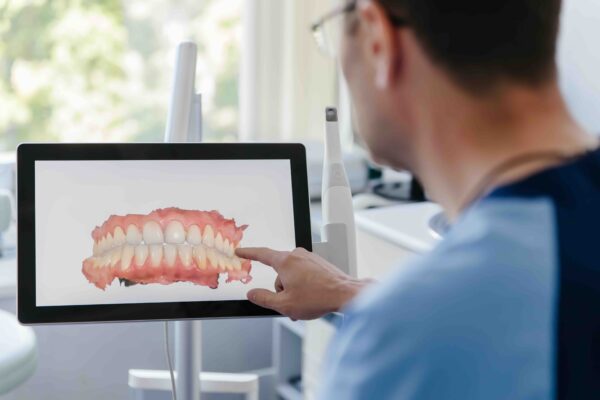
Most people do not ignore gum problems because they enjoy taking risks. They delay care because the symptoms seem minor, the timing feels inconvenient, or the discomfort comes and goes. A little bleeding when brushing. Tenderness near one tooth. Breath that never feels quite fresh. It is easy to tell yourself you will book an appointment next month.
That gap between first symptoms and actual care is where gum disease often gains ground.
When patients finally come in after putting things off, they are often surprised by two things. First, gum disease can progress with less pain than expected. Second, the consequences reach far beyond swollen gums. Delayed Gum Disease Treatment can lead to bone loss, loose teeth, chronic infection, expensive dental work, and a far more complicated recovery than would have been necessary earlier.
The frustrating part is that early gum disease is usually manageable. The later stages demand more time, more money, more appointments, and in many cases, acceptance that some damage cannot be reversed.
Why gum disease tends to be underestimated
Gum disease does not always announce itself dramatically. A cavity often hurts when it gets deep. A cracked tooth can produce sharp pain with one bite. Periodontal disease, by contrast, can progress quietly. Many people do not feel significant pain until the condition is already advanced.
That mismatch between severity and sensation causes real problems. If bleeding only happens when flossing, it can be dismissed. If gums look a little puffy https://marcogkij593.bearsfanteamshop.com/how-smoking-affects-gum-disease-treatment-outcomes but teeth still function normally, most people keep moving. Daily life is busy. Dental concerns get triaged against work, family obligations, cost, and anxiety.
There is also a common misconception that bleeding gums are normal, especially after not flossing for a while. They are not. Healthy gums do not regularly bleed during ordinary brushing or flossing. Bleeding is a sign of inflammation, and inflammation is often the opening chapter of periodontal disease.
In its earliest form, gum disease usually begins as gingivitis. At that stage, plaque and bacteria irritate the gum tissue, causing redness, swelling, and bleeding. Gingivitis is serious, but it is also the stage where treatment is simplest and the damage is generally reversible. Delay gives that inflammation time to move deeper, below the gumline, where it can start destroying the supporting structures that hold teeth in place.
What changes when gingivitis becomes periodontitis
The transition from gingivitis to periodontitis is the point where the stakes rise sharply. Instead of inflammation staying limited to the superficial gum tissue, the infection begins affecting the periodontal ligament and the alveolar bone around the teeth.
This is not just a cosmetic issue. Your teeth depend on these structures for stability. Once disease creates pockets between the gums and teeth, bacteria gain sheltered spaces where brushing and flossing cannot reach effectively. Those pockets can deepen over time. The body responds to the chronic bacterial presence with ongoing inflammation, and that inflammatory process contributes to tissue breakdown.
This is where delayed Gum Disease Treatment becomes expensive in every sense of the word. The disease is no longer a matter of improving home care and getting a routine cleaning. It may now require deep cleaning below the gums, localized antibiotics, frequent periodontal maintenance, surgical procedures, and in severe cases, extraction and tooth replacement.
A detail many patients find startling is that bone loss from periodontitis is usually permanent. Treatment can stop or slow the process. It cannot magically regrow all the support that has already been lost. There are regenerative procedures in certain cases, and they can help, but they are technique-sensitive and not appropriate for everyone.
The timeline is not identical for everyone
People often ask how long they can safely wait. There is no universal answer because gum disease does not move at the same pace in every mouth. Age matters. Smoking matters. Diabetes matters. Genetics matter. Oral hygiene habits matter. Stress, dry mouth, medications, and immune health also affect progression.
I have seen mouths where years of neglect produced only moderate damage, and others where a relatively short delay led to deep pockets and noticeable bone loss. That uncertainty is exactly why postponing treatment is risky. You do not get to choose a slow-moving version of periodontal disease.
A patient in their thirties who smokes, clenches at night, and has inconsistent hygiene can deteriorate faster than expected. Another patient with excellent brushing habits but poorly controlled diabetes may develop significant inflammation despite trying hard. The mouth is not a closed system. General health and lifestyle habits shape what happens there.
The first losses are easy to overlook
One of the most deceptive aspects of delayed care is that the earliest losses are usually invisible to the patient. Bone does not announce its retreat. A periodontal pocket does not feel deep simply because it is deep. You may notice bad breath, tenderness, or a little recession, but much of the damage requires a clinical exam and dental imaging to detect.
Dentists and hygienists look for details patients cannot reliably monitor on their own, including pocket depths, attachment loss, bleeding patterns, tartar deposits below the gums, gum recession, tooth mobility, and bone levels on X rays. Those measurements tell the real story.
By the time a person notices that a tooth looks longer, shifts position, or feels loose, the disease is often well past the mild stage. That is not meant to alarm, only to clarify why watchful waiting is rarely a good strategy with suspected gum disease.
What delayed treatment can lead to
The consequences build gradually, then all at once. At first the issues seem small. Later, they start interfering with comfort, confidence, and function.
Here are some of the most common outcomes of postponing Gum Disease Treatment:
- persistent bleeding, swelling, and gum tenderness
- bad breath or an unpleasant taste that keeps returning
- gum recession, which can make teeth look longer and feel sensitive
- bone loss that weakens tooth support
- loose teeth, shifting bite, or eventual tooth loss
Each of these problems can affect the next one. Receding gums expose root surfaces, which are more vulnerable to sensitivity and decay. Bone loss makes the teeth less stable. Tooth movement changes the way the bite comes together, which can create additional stress on teeth and jaw muscles. Once chewing becomes uncomfortable, people sometimes start favoring one side, and that can set off another chain of complications.
Tooth loss rarely happens in isolation
When periodontal disease reaches the point of tooth loss, the problem does not end with the missing tooth. The surrounding teeth often drift. Opposing teeth can over-erupt into the empty space. Chewing efficiency drops. Speech may change, especially if front teeth are involved. Aesthetics can suffer, and for many people, that affects social confidence more than they expected.
Replacing a lost tooth is possible, but replacement is not the same as preservation. A dental implant can be an excellent option, yet implant placement requires sufficient bone and healthy surrounding tissues. Advanced periodontal disease can compromise both. Bridges and partial dentures have their place, but each option comes with limitations, maintenance demands, and cost.
There is also a practical truth that dental teams discuss often with patients: saving a natural tooth early is almost always simpler than rebuilding after it is lost. Once treatment moves from prevention to reconstruction, the financial and biological costs go up quickly.
Bad breath is often the symptom that finally gets attention
Some patients tolerate bleeding and even occasional soreness, but chronic bad breath tends to be the turning point. That is understandable. Halitosis has social consequences. It creates self-consciousness in close conversation, meetings, dates, and family life.
When bad breath is tied to gum disease, mouthwash may briefly mask it but will not fix it. The odor often comes from bacterial accumulation, tissue inflammation, and debris in periodontal pockets. If the underlying infection remains, the smell returns.
This is one reason do-it-yourself fixes often fail. People buy stronger rinses, switch toothpaste, chew gum constantly, or brush more aggressively. Aggressive brushing can actually irritate receding gums further. Without proper diagnosis, the real cause remains untreated.
The impact on appearance can be subtle, then dramatic
A lot of people assume gum disease only matters if they are in pain. In reality, many seek care because they no longer like how their smile looks. Inflamed gums can appear puffy, shiny, or uneven. Receding gums make teeth look elongated. Dark spaces can appear between teeth as tissue support shrinks.
These changes are not always reversible with simple cleaning. Once the gumline has receded significantly or the papilla between teeth has diminished, restoring a natural appearance becomes far more challenging. Periodontal plastic surgery can improve certain situations, but outcomes depend on anatomy, severity, and timing.
There is a clear pattern in practice. Patients who address inflammation early often retain healthier contours and more predictable cosmetic outcomes. Patients who wait until recession is obvious usually have fewer options and higher expectations than biology can realistically support.
Delayed care can complicate other dental treatment
Untreated gum disease does not stay politely in its own lane. It can interfere with fillings, crowns, orthodontics, implants, and even routine hygiene scheduling.
If the gums are inflamed and unstable, impressions and scans may be less accurate. Crowns placed near unhealthy gum tissue can become difficult to maintain. Orthodontic tooth movement in a compromised periodontal environment is riskier because the bone support is already reduced. Implant planning becomes more complex when infection and bone loss are present.
There is also the issue of prognosis. A tooth may technically be restorable with a crown, but if it has severe attachment loss from periodontal disease, investing heavily in restorative work may not be wise. This is where timing matters. The earlier the periodontal problem is addressed, the more treatment options remain open.
General health considerations deserve attention
It is important to stay grounded here. Gum disease is not the sole cause of major medical conditions, and no responsible clinician should overstate that link. At the same time, the connection between oral inflammation and systemic health is taken seriously for good reason.
Chronic periodontal inflammation can be particularly relevant for people with diabetes, cardiovascular risk factors, or conditions that affect immune function. Diabetes and gum disease, for example, can influence each other in a frustrating cycle. Poor glycemic control can worsen periodontal inflammation, and active gum infection can make blood sugar management more difficult.
Pregnancy, certain medications, and some autoimmune conditions can also affect gum health and healing. This does not mean every delayed case turns into a medical crisis. It does mean the mouth should not be treated as separate from the rest of the body.
Why “I’ll just improve my brushing” is not always enough
Better home care is always helpful, but it has limits. Once tartar forms below the gumline, a toothbrush cannot remove it. Once pockets deepen, floss may not reach all the diseased areas effectively. Once bone loss begins, no amount of rinsing can restore the support that is gone.
Patients sometimes feel embarrassed when they finally seek help because they assume they failed at basic hygiene. That is not always the full story. Plenty of conscientious people develop periodontal issues because of crowding, old restorations, smoking history, dry mouth, diabetes, genetics, or years without professional maintenance. Good home care matters, but it does not make professional periodontal evaluation optional when signs of disease are present.
What treatment usually looks like at different stages
Early treatment is often straightforward. Gingivitis may respond well to a professional cleaning, improved brushing and flossing technique, and more consistent maintenance. Patients can see healthier gums within weeks if they follow through.
Moderate disease usually requires more intensive therapy. Scaling and root planing, often called deep cleaning, removes bacteria and calculus from below the gums and smooths root surfaces to help tissue heal. Some cases benefit from adjunctive antimicrobial therapy. Follow-up is critical because the response needs to be measured, not assumed.
Advanced periodontitis may require referral to a periodontist, surgical access to clean deep areas, regenerative attempts where feasible, splinting of mobile teeth, extraction of hopeless teeth, and a phased treatment plan that stretches over months. At this point, management is less about a quick fix and more about stabilizing a damaged system.
That difference in treatment burden is worth emphasizing. The same disease process, caught early, may be handled with modest intervention. Caught late, it can become one of the most time-consuming and costly problems in dentistry.
Signs that should push you to book care soon
If any of the following are happening, waiting is hard to justify:
- gums bleed regularly when brushing or flossing
- breath stays unpleasant despite routine cleaning at home
- gums look swollen, shiny, or are pulling away from the teeth
- teeth feel slightly loose or your bite seems different
- you have not had an exam in a long time and notice persistent tenderness
None of these signs proves severe disease on its own, but together they paint a picture that deserves professional evaluation. The goal is not panic. The goal is timing.
The financial trade-off is usually clearer in hindsight
People often delay Gum Disease Treatment because of cost, and that concern is real. Dental care can strain a budget, especially when insurance coverage is limited. Still, from a purely financial standpoint, delay is often the more expensive decision.
A standard cleaning and early intervention cost far less than repeated deep maintenance visits, periodontal surgery, extractions, bone grafting, implants, or complex prosthetics. There is also the hidden cost of time away from work, emergency visits, prescription needs, and the emotional fatigue of drawn-out treatment.
What patients tell me after the fact is remarkably consistent. They usually do not say, “I’m glad I waited.” They say they wish they had dealt with it when it was smaller, simpler, and cheaper.
Anxiety keeps many people away, but delay rarely makes the visit easier
Fear is another major reason people postpone care. Some are worried about pain. Others have had unpleasant dental experiences or feel ashamed about the state of their mouth. The problem is that avoidance often creates the very scenario they fear.
Early treatment is generally less invasive, less uncomfortable, and less emotionally overwhelming than advanced treatment. A short appointment for assessment and cleaning guidance is easier than a long series of procedures to control established periodontitis. Most dental teams would much rather meet you early, before the disease becomes severe.
If anxiety is the barrier, it helps to say that upfront when booking. Practices hear this every day. They can often adjust pacing, explain each step, discuss numbing options, and help break treatment into manageable pieces.
What a timely response can preserve
Prompt treatment is not only about avoiding disaster. It is about preserving things people value every day and often take for granted until they are threatened. The comfort of chewing without thinking. The confidence of speaking close to someone. The look of natural gums framing natural teeth. The ability to maintain your mouth with ordinary routines instead of ongoing repair.
Gum health is foundational. When it is stable, almost every other aspect of dentistry works better. Fillings last more predictably. Crowns are easier to clean around. Cosmetic work looks better. Implants, if needed, have a healthier environment. Even routine cleanings become simpler.
That is why delayed Gum Disease Treatment matters. The issue is not just that infection lingers. It is that the disease slowly narrows your future options.
The practical bottom line
If you suspect gum disease, the biggest risk in waiting is not discomfort today. It is the silent progression that can turn a reversible problem into a chronic one.
Bleeding gums, recession, bad breath, tenderness, and shifting teeth are not minor nuisances to outlast. They are signs that the supporting tissues around your teeth may be under strain. The earlier that strain is evaluated, the better the chance of preserving bone, maintaining stable teeth, and avoiding more invasive treatment later.
People rarely regret getting gum problems checked too soon. They often regret getting them checked too late.
Dental Group Of Beverly Hills
Address: 8641 Wilshire Blvd #125, Beverly Hills, CA 90211
Phone number: +13109296335
FAQ About Gum Disease Treatment
How to improve gum health quickly?
To improve gum health quickly, eliminate plaque buildup by brushing for two full minutes twice a day at a 45-degree angle to the gumline. Floss daily to clean under the gumline, and rinse with an antimicrobial, alcohol-free mouthwash. For immediate relief of soreness, use a warm saltwater rinse.
What is the fastest way to cure gum disease?
To quickly cure early-stage gum disease (gingivitis), eliminate the plaque buildup causing the inflammation. Brush gently but thoroughly for two minutes twice daily, floss daily, and use an antibacterial mouthwash or a warm saltwater rinse. However, if tartar has hardened, professional treatment is necessary.
How do I treat my gum disease at home?
You can treat early gum disease at home by practicing strict daily oral hygiene, rinsing with salt water or antibacterial mouthwash, and quitting smoking. True gum disease (especially advanced forms like periodontitis) cannot be fully cured at home once tartar forms, and you must see a dentist for professional cleanings.