Why Dental Bonding Remains a Top Cosmetic Dental Treatment

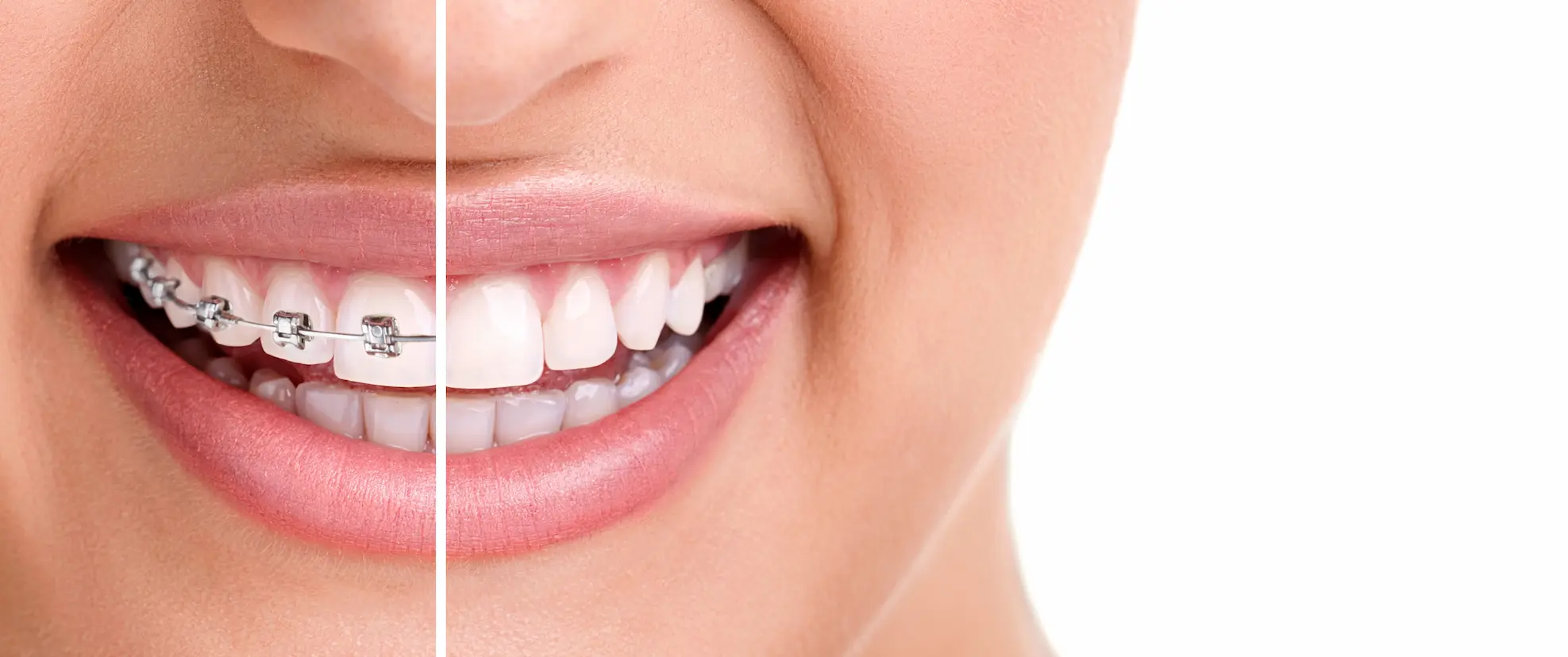
Cosmetic dentistry has changed dramatically over the past two decades. Materials are stronger, shade matching is more refined, digital imaging has improved treatment planning, and patient expectations are far more sophisticated than they used to be. Yet despite all that progress, dental bonding continues to hold a very strong position in everyday cosmetic care. That staying power is not accidental. It comes from a combination of practicality, versatility, affordability, and a very simple truth that matters in any dental chair: when done well and chosen for the right case, bonding can make a person’s smile look significantly better in a single visit.
That matters more than many people realize. Not every patient wants porcelain veneers. Not every chipped tooth needs a crown. Not every small gap calls for orthodontics. A cosmetic treatment earns its place when it solves real problems without creating unnecessary complexity, expense, or irreversible changes. Dental bonding does exactly that in a wide range of situations.
Patients often come in with a narrow complaint. A front tooth chipped on a coffee mug. A corner worn flat from years of grinding. A dark spot near the gumline. A small space between teeth that catches their eye in every photo. They are not asking for a total smile redesign. They want their tooth to look normal again, or perhaps just a little better than before. Bonding is often the most sensible answer because it can restore form quickly and conservatively while preserving healthy enamel.
What dental bonding actually is
Dental bonding is the application of a tooth-colored composite resin directly to the tooth surface. The material is shaped, sculpted, and polished so it blends with surrounding enamel. In many cases, the dentist roughens the surface slightly, applies a bonding agent, places the resin in layers, cures it with a light, and then refines the contour and shine. The process sounds straightforward, and in principle it is. The artistry is what separates an average result from an excellent one.
That point deserves emphasis. Bonding is not just “filling material on the front of a tooth.” The material must match shade, translucency, texture, and edge anatomy. Natural front teeth are not one flat color. They reflect light differently at the body of the tooth than at the incisal edge. Some patients have bright opaque enamel, while others have gray, amber, or bluish undertones. Good bonding respects those details. Great bonding disappears into the smile.
Dentists use composite resin in both restorative and cosmetic contexts, but cosmetic bonding tends to demand a different eye. Closing a small gap between central incisors, rebuilding a chipped lateral incisor, or masking a minor shape discrepancy calls for proportional judgment, not just mechanical skill. A millimeter added to the wrong area can make a tooth look bulky. An edge polished too smooth can make it appear artificial. Patients may not know why something looks off, but they will sense it immediately.
Why patients keep choosing bonding
The enduring appeal of dental bonding starts with one obvious advantage: it is conservative. In many cases, little to no healthy tooth structure must be removed. That is a major difference from more invasive cosmetic options. Preserving enamel matters, especially for younger patients or for those who want to improve a smile without committing to permanent structural reduction.
The second reason is speed. Many bonding cases can be completed in one appointment. Someone can walk in with a visible chip and leave an hour later with a restored smile. That immediacy has real emotional value. A small defect in a front tooth may seem minor clinically, but for the patient it can feel enormous. It changes how they speak, smile, and appear in photographs. When a treatment offers prompt relief without lab work or multiple visits, it becomes easy to understand why it remains popular.
Cost also plays a significant role. Cosmetic dentistry can be expensive, and not every patient has the budget for ceramic restorations. Dental bonding typically costs less than veneers or crowns because it does not require laboratory fabrication and usually involves less chair time and less invasive preparation. Lower cost does not mean lower value. In the right case, bonding can produce a remarkably attractive result with a favorable balance between price and improvement.
Then there is flexibility. Bonding can be used to repair chips, close small spaces, reshape undersized teeth, cover certain discolorations, smooth irregular edges, and even protect exposed root surfaces. Few cosmetic treatments adapt to so many small but meaningful concerns. That versatility keeps it relevant in general practice, cosmetic-focused offices, and multidisciplinary treatment plans alike.
The ideal bonding cases, and the ones that need more caution
Bonding tends to shine in modest to moderate cosmetic corrections. A patient with one chipped front tooth and otherwise healthy enamel is often an excellent candidate. So is someone with peg laterals, slight asymmetry, or a tiny gap that does not justify braces or aligners. Bonding can also be a strong option for patients who want to “test drive” a smile change before committing to porcelain. Because the procedure is additive and conservative, it can function as both treatment and preview.
However, good dentists know where bonding begins to struggle. A patient with severe crowding, a deep bite that repeatedly strikes the repaired edge, or heavy nighttime grinding may be at greater risk for chipping and wear. Someone seeking a dramatic color change across all visible front teeth may get a more stable and uniform result from porcelain. Very large spaces can sometimes be closed with bonding, but only if the final tooth proportions will still look natural. Otherwise, the teeth may end up appearing too wide.
This is where clinical judgment matters more than marketing. Bonding remains a top cosmetic dental treatment not because it is the answer to every esthetic concern, but because it is often the best answer to very https://www.google.com/maps?cid=4239261703967231664 specific ones. Patients appreciate honest recommendations. Telling someone that bonding would be beautiful for a minor edge repair but a poor choice for a high-stress bite builds trust. That trust is part of why the treatment has such a durable reputation.
A treatment that respects natural tooth structure
The modern dental patient is more informed than ever, and many ask an important question before agreeing to cosmetic work: how much tooth has to be removed? Bonding often wins that conversation because the answer is frequently “very little” or “none at all.” In an era when minimally invasive care carries real weight, that benefit cannot be overstated.
Enamel is precious. Once it is permanently reduced, there is no biologic way to grow it back. Preserving it gives patients options later in life and reduces the need for more aggressive treatment now. For a 22-year-old with a small chip on a central incisor, jumping straight to a crown would be unnecessarily destructive. Even veneers, while extremely useful in the right hands and cases, may represent more intervention than is warranted for minor defects. Bonding fits neatly into a conservative philosophy of care.
This conservative nature also makes bonding psychologically easier for many patients. They are often more comfortable agreeing to a treatment when they know it can be done with limited alteration to the tooth. That matters in real practice. Dentistry is not just about ideal materials and technical possibilities. It is also about helping patients move forward confidently.
Where bonding excels aesthetically
There is a persistent misconception that bonding always looks less refined than porcelain. That is too simplistic. Porcelain has clear advantages in certain situations, especially for long-term stain resistance and highly polished surface stability, but expertly placed composite can be exceptionally lifelike. In small to moderate corrections, a bonded tooth can blend so well that even close friends do not notice anything was done.
The best examples are often the least dramatic. Consider a patient who chips the mesial corner of a front tooth while biting into a crusty baguette. The chip is visible every time she talks, but the rest of the tooth is healthy. Composite bonding can recreate that missing corner, mimic the line angles, soften the surface texture, and restore symmetry with the neighboring tooth. The result does not need to look enhanced. It needs to look untouched, as if the accident never happened.
That kind of invisibility is one of bonding’s greatest strengths. Many patients are not looking for a “cosmetic dentistry look.” They want their own smile, just repaired or subtly refined. Bonding can do that with elegance when the case selection and execution are sound.
Why technique matters so much
Dental bonding is deceptively operator-dependent. The materials are widely available, but results vary tremendously. A skilled dentist pays attention not just to color, but to isolation, layering, contour, texture, occlusion, and polish. Moisture control alone can affect longevity. If the field is contaminated during placement, the bond strength may be compromised. If the shape is slightly overbuilt or left rough, the restoration may stain faster or interfere with the bite.
Polishing deserves special mention because it influences both appearance and performance. A smooth, glossy finish helps the restoration resist surface staining and feel natural to the tongue. Rough composite tends to dull over time, pick up discoloration, and attract plaque more readily. Patients may not ask about finishing discs, polishing points, or surface sealants, but they certainly notice when one bonded tooth loses its luster while the adjacent enamel still shines.
There is also an artistic restraint required with front-tooth bonding. More material is not always better. Overcontouring can make teeth look puffy and unnatural near the gumline. Undercontouring can leave black triangles or flat facial surfaces that fail to reflect light properly. The clinician must think like both a restorer and a sculptor.
Durability, realistically described
One reason some people hesitate about dental bonding is concern over longevity. That concern is reasonable. Composite resin does not behave exactly like natural enamel or porcelain. It can chip, wear, lose polish, or stain over time, particularly in patients who clench, smoke, drink a lot of coffee or red wine, or bite their nails. But “not permanent” does not mean “not worthwhile.”
In practice, many bonded restorations last several years, and some last considerably longer with good care and favorable bite conditions. Small repairs on low-stress areas may hold beautifully. Larger edge buildups on patients with a strong bite may need maintenance sooner. The key is setting expectations properly. Bonding is often best understood as a durable but maintainable treatment. It can usually be repaired or refreshed more easily than porcelain, which is another practical advantage.
That repairability is one of the most underrated reasons dentists continue to recommend it. If a porcelain veneer chips significantly, replacement may be necessary. If bonded composite chips, it can often be roughened, added to, and re-polished in a relatively straightforward visit. For patients who value flexibility, that matters.
The role of bonding in comprehensive smile planning
Bonding is not only a standalone treatment. It also plays an important role in broader smile design. Dentists often use it as part of a phased approach. A patient may begin with whitening, then use bonding to refine edge shape or close small residual spaces. Someone finishing orthodontic treatment may choose bonding to improve the proportions of naturally small lateral incisors. In another case, a worn dentition may be tested with additive composite before more extensive restorative work is considered.
This is where bonding shows its maturity as a treatment modality. It is not merely the low-cost alternative sitting below veneers on a menu of cosmetic options. It is a sophisticated tool for diagnosis, trial changes, minimally invasive enhancement, and long-term maintenance. In experienced hands, it becomes part of a strategy rather than just a procedure.
Patients also appreciate that bonding can evolve. A person in their late twenties may choose bonding for a conservative correction today and revisit other options years later if their goals change. That staged approach can be financially sensible and biologically responsible. Dentistry often works best when it keeps future choices open.
What patients should expect after treatment
The immediate aftermath of bonding is usually easy. There is generally little downtime, and most patients return to normal activities the same day. If no anesthesia was needed, the appointment can feel surprisingly simple. The more important issue is behavior over the months and years that follow.
Bonded teeth benefit from sensible habits. Opening packages with the front teeth, crunching ice, biting pens, and untreated grinding are common ways to shorten the life of a restoration. Regular hygiene visits help keep the margins clean and allow small issues to be spotted early. Whitening also requires planning. Composite does not lighten the same way natural enamel does, so when patients intend to whiten their teeth, it is usually better to do that first and match the bonding afterward.
Patients sometimes assume a cosmetic repair will stay unchanged forever. A better expectation is that bonding behaves much like other dental work: it responds to use, maintenance, and the oral environment. That does not diminish its value. It simply places it in the real world, where practical upkeep is part of any successful treatment.
Why bonding continues to outperform trends
Cosmetic dentistry has its trends, just like every other field. Materials are marketed aggressively, social media amplifies dramatic before-and-after cases, and patients often arrive asking for the treatment they have heard about most recently. Yet treatments that endure do so because they solve everyday problems reliably. Dental bonding has remained a top cosmetic dental treatment because it works at the level where most real patient needs live.
Most people are not seeking a television makeover. They want a chip repaired before a wedding, a small gap softened, a misshapen tooth balanced, or a dark spot disguised. They want something that looks natural, protects healthy tooth structure, and does not require a major financial leap. Bonding continues to answer those requests better than many newer or flashier alternatives.
Its staying power also reflects the values of good dentistry. Conservative care. Functional awareness. Esthetic precision. Honest case selection. Repairability. When a treatment aligns with those principles, it tends to remain relevant no matter how much the surrounding technology evolves.
The enduring strength of a simple, skill-driven treatment
There is something reassuring about a cosmetic treatment that has not lost its place despite constant innovation. Dental bonding remains popular not because it is basic, but because it is intelligently efficient. It respects tooth structure, adapts to a wide range of concerns, and delivers immediate visible improvement when handled with care. For many patients, it offers exactly the right amount of intervention.
That is ultimately why it continues to stand out. Not every smile needs ceramics. Not every imperfection deserves a major procedure. Sometimes the best cosmetic dentistry is the least invasive treatment that solves the problem beautifully. When that is the standard, dental bonding earns its reputation again and again.
Toothworks of Bakersfield, Dentist and Orthodontist
Address: 1030 H St #1, Bakersfield, CA 93304
Phone number: +16613239421
FAQ About Dental Bonding
How long does dental bonding last?
Dental bonding typically lasts between 3 and 10 years (averaging about 5 to 8 years) before it needs a touch-up or replacement. Its lifespan depends heavily on your daily habits, where the bonding is placed in your mouth, and how well you care for your teeth.
How expensive is bonding a tooth?
Dental bonding typically costs between $100 and $600 per tooth, with a national average of about $431 per tooth.
What are the downsides of dental bonding?
Dental bonding has several drawbacks, including lower durability, a shorter lifespan, and a tendency to stain compared to alternatives like porcelain veneers.